Home Blog Page 5

Be Bold For Change with Visit.Org

0

International Women’s Day began in 1911, three years after 15,000 women in New York took to the streets and demanded equal wages, shorter working days and the right to vote. Since then, women across the globe have persevered to be seen as equals in the workforce and to be treated with respect in all social, economic, cultural and political aspects of life. There are numerous ways you can be bold for change this year (the IWD website has many actions to chose from here); but before you take off work to join a march or write a petition, start with planning a trip that will change a woman’s life. You can enact real change in real women’s lives when you travel with our partner Visit.Org.

Visit.org has 500 immersive and impactful travel experiences in 63 countries hosted by do-good organizations. Many of these partners are benefiting and empowering women. By taking a tour or going on a Visit.Org trip, you are directly impacting underprivileged women through the organization’s immersive travel experiences. Here are a few examples:

Asia Arts

If you enjoy making arts and crafts, the Artisans Angkor in Cambodia is a great place to spend a morning. Learn how to make a colorful scarf on traditional looms, sculpt a piece of wood, make a bracelet, or even a silk painting. The $75 cost for this experience not only supports local artisans, it also funds education and training programs in the community.

Children Art

This next excursion in Chile has empowerment sown right. The Mapuche Discovery Tour, organized by the Fundación Chol Chol, gives visitors the chance to learn about the Mapuche people of Araucania through making textiles and pottery from sustainable materials. After learning a few new skills, guests are invited to a traditional Ruka hut for an organic family meal. Funds raised from this experience go toward local women’s programs and fair trade production.

Peru Art

Get your weave on in Peru with CTTC and the Peru Art Tour. Experience the Cusco weaving tradition and learn how to weave on a traditional backstrap loom while supporting Andean weavers and fair trade practices. Knit a bag for your cellphone or spare change or braid yourself a stylish honda (a traditional Andean sling made of llama wool). Funds from the tour is invested in educating young weavers in the community and ensuring fair trade practices so that local weavers have a stable source of income.

The opportunities to empower women everywhere can be found in nearly every tour and experience offered by Visit.Org, but travelers can especially help empower vulnerable women in Colombia with the Cundinamarca Community Tour. Organized by the Fundación Soy Social, this two-day tour introduces travelers to the incredible and talented women of Vereda la Merced and Villapinzón. Learn how to weave, milk cows, tend to potatoes in the garden, make cheese, and prepare traditional dishes. (Our mouths are watering over here.) Revenue from this experience is invested in improving productivity and sustainability for rural women and their children in the municipality of Villapinzón through education and financial support.

If these experiences sound like a great way to support amazing women around the world, you’ll love Visit.Org’s many other tours and activities.

Your Guide to an Affordable Safari in East Africa

0
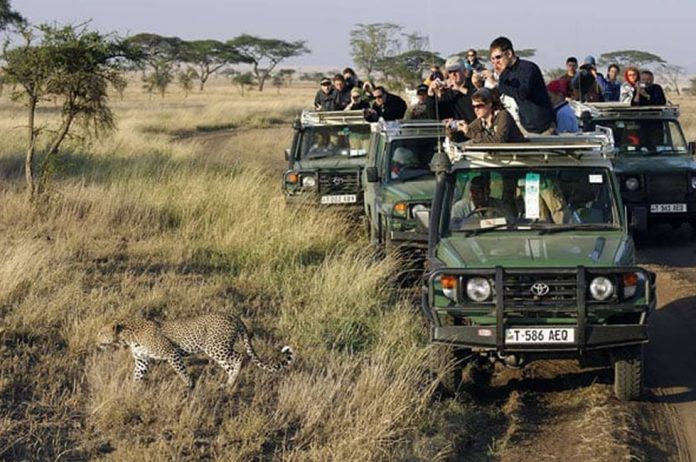
East Africa Safari

East Africa offers some of the most iconic safari experiences in the world, attracting tourists who seek a direct connection to nature and wildlife. While the region is often associated with luxury travel, it is equally accessible to those working within a budget, provided they plan carefully.

What sets East Africa apart is the availability of cost-effective alternatives that maintain quality and authenticity. By tapping into local knowledge, opting for smaller operators, or choosing alternative seasons, visitors can experience the magic of an East African safari without spending extravagantly. Additionally, community-based tourism initiatives and camping options provide excellent opportunities to balance costs while supporting local economies.

Timing Your Safari for Cost Savings

The timing of your East African safari can significantly influence your overall budget. While the drag of peak seasons is substantial due to the abundance of wildlife activity, they also come with higher prices for accommodation, park entry fees, and guided tours. Knowing when to travel is key to striking the right balance between cost and experience.

Peak vs. Off-Peak Travel Seasons

Peak seasons, typically aligned with dry months like June to October and December to February, are characterized by heightened wildlife visibility due to sparse vegetation and the congregation of animals around water sources. However, these periods often coincide with increased demand, increasing accommodation costs and guided tours.

Off-peak seasons offer an alternative for cost-conscious tourists, particularly during the rainy months of March to May and November. While there may be challenges, such as muddy roads and sporadic rainfall, these months have notable advantages, including reduced prices, fewer crowds, and greener landscapes that enhance photography.

The Benefits of Shoulder Seasons

For those looking to enjoy the best of both worlds, shoulder seasons—just before or after the peak—can provide a compelling option. In East Africa, these occur during late May or early November, when prices drop, but wildlife viewing remains favorable. This is an excellent time to take advantage of discounted accommodation rates and smaller group tours.

Planning carefully around these seasonal trends allows visitors to optimize their safari experience, ensuring their trip remains memorable and cost-effective.

Choosing the Right Safari Destination

Selecting the correct destination in East Africa is critical in planning a budget-friendly safari. Each country in the region offers unique wildlife and landscapes, but the costs associated with these experiences can vary significantly. Understanding these differences allows visitors to tailor their itineraries without overspending.

Budget-Friendly Parks and Reserves

East Africa is dotted with national parks and reserves catering to various budgets. For example:

  • Kenya’s Masai Mara National Reserve offers exceptional wildlife sightings, including the Great Migration, with options for budget campsites and group tours.
  • Tanzania’s Tarangire National Park is a more affordable alternative to the Serengeti, providing impressive wildlife encounters.
  • Uganda’s Queen Elizabeth National Park combines savanna and water-based safaris at a fraction of the cost of larger parks.
  • Rwanda’s Akagera National Park has emerged as a viable option for budget-conscious tourists seeking a mix of wildlife and scenic beauty.

Hidden Gems for Affordable Wildlife Experiences

Lesser-known destinations such as Kenya’s Samburu National Reserve or Tanzania’s Selous Game Reserve (now Nyerere National Park) offer unique ecosystems and fewer visitors, creating a more exclusive feel without the associated costs of high-profile locations.

Comparing Costs Across Countries

When comparing safari destinations in East Africa, Kenya and Tanzania often have similar price points, particularly for well-known parks like the Masai Mara and Serengeti. Uganda and Rwanda, known for gorilla trekking, can be more expensive due to permit fees, though other parks within these countries are budget-friendly. Visitors traveling on a tight budget might find Uganda’s diverse range of parks to be particularly cost-effective.

Cheaper Accommodation Options

Accommodation is one of the most significant expenses for any safari, but East Africa provides a broad spectrum of options to suit budget-conscious visitors. From simple campsites to mid-range lodges, affordable stays allow an authentic safari experience without unnecessary luxury costs.

Tips for Finding Affordable Lodges and Campsites

Budget-friendly accommodations are often located just outside major national parks and reserves. These options allow visitors to access wildlife hotspots while avoiding the premium costs of staying inside park boundaries. Online platforms and local tour operators can help identify deals, particularly during the off-season. Booking directly with local lodges can also reduce intermediary fees.

Advantages of Hostels and Community-Run Accommodations

Some regions offer campsites, hostels, or basic guesthouses that provide clean, safe, and inexpensive lodging. Community-run accommodations are another excellent choice, often developed as part of sustainable tourism initiatives. These support local economies and allow you to engage with nearby communities, adding cultural depth to your trip.

Camping Safaris

Camping is one of the most affordable ways to experience a safari. Public campsites are available in most parks and reserves, providing basic facilities such as shared bathrooms and cooking areas. For those who prefer more comfort, many parks also feature budget-friendly tented camps with semi-permanent setups, offering a blend of affordability and convenience.

Cheaper Transport Tips

Transportation is a key factor in safari budgeting, as costs can vary widely depending on the mode of travel and the distance between destinations. Understanding the available options and their trade-offs is essential for budget-conscious visitors.

Budget Transport Options

Public transport options such as buses and matatus (minibuses) offer significant savings for those travelling between cities or to park entrances. Locals commonly use these options to provide an authentic, albeit less comfortable, travel experience. While they may not take you directly into the parks, they are an economical way to cover long distances.

Shared safari vehicles are another cost-saving option. Many operators offer group tours where the transportation expense is divided among participants. These tours typically include guides and vehicles equipped for game viewing, making them both convenient and affordable.

Cost-Saving Strategies for Internal Flights and Car Rentals

Although flights between major safari hubs like Nairobi, Arusha, or Kigali can save time, they are often expensive. Look for deals with regional carriers or book flights during promotional periods to reduce costs.

Car rentals, particularly for self-drive safaris, are a viable alternative for those comfortable navigating independently. Renting a vehicle with camping gear included can significantly lower accommodation and transportation expenses. However, self-drive safaris require careful planning, including understanding park rules, road conditions, and navigation tools.

The Perks of Group Safaris for Shared Costs

Group safaris remain one of the most efficient ways to reduce transportation costs. By joining an organized tour, visitors share the expense of guides, vehicles, and fuel. Additionally, group safaris often come with pre-negotiated park entry and accommodation rates, which can result in further savings.

Maximizing Local Travel Networks

Local operators offer shuttle services to popular parks and attractions in many areas. While not as luxurious as private transfers, these services are reliable and significantly cheaper. Pairing these with group tours or affordable lodges near park gates can create a seamless and budget-friendly itinerary.

DIY Safari vs. Guided Tours: What’s Cheaper?

One critical decision when planning a budget safari is whether to embark on a do-it-yourself (DIY) safari or opt for a guided tour. Depending on your preferences and level of expertise, both options offer distinct advantages and potential cost implications.

Pros and Cons of Self-Driving Safaris

Self-driving safaris can be a cost-effective way to explore East Africa’s parks, especially for those comfortable navigating independently. Renting a 4×4 vehicle, packing food and camping equipment, and paying park entry fees directly can help keep expenses manageable.

However, there are challenges to consider:

  • Navigation: Self-drivers must rely on maps or GPS to locate wildlife hotspots, which may require prior research or local insights.
  • Safety: Driving in remote areas requires understanding the terrain, weather conditions, and potential hazards such as wildlife crossing.
  • Hidden Costs: Fuel, vehicle insurance, and camping fees can add up, so it’s important to calculate these in advance.

Self-driving safaris are best suited for visitors who are confident in their planning abilities and willing to embrace a more independent experience.

Finding Affordable and Reputable Tour Operators

While often associated with higher costs, guided tours can be surprisingly affordable when arranged through local operators or as part of a group. Many budget-friendly tour operators offer all-inclusive packages covering transport, park fees, accommodations, and meals, providing convenience and predictability.

When selecting an operator, consider:

  • Reviews and recommendations from past clients
  • The size of the group (smaller groups often mean higher costs per person)
  • The transparency of pricing, especially regarding additional fees

Saving on Food and Drinks During Your Safari

Food and beverages can be a significant expense during a safari, mainly if you rely on high-end lodges or camp services. Planning your meals and drinks strategically allows you to enjoy nutritious and satisfying options without overspending.

Preparing Your Meals vs. Eating at Lodges

Self-catering is one of the most effective ways to save money on food. If camping or staying in accommodations with kitchen facilities, consider buying groceries from local markets or supermarkets before heading to your destination. Staples like rice, pasta, canned goods, and fresh vegetables are widely available and affordable.

For those staying at lodges or campsites without self-catering options, inquire about meal plans in advance. Opting for full-board packages may sometimes be more economical than purchasing individual meals.

Finding Local Restaurants and Markets

Local eateries near parks or towns offer authentic, affordable meals that give you a taste of regional cuisine. Dishes such as Kenyan ugali, sukuma wiki, or Tanzanian pilau are hearty, flavorful, and inexpensive. Visiting local markets also allows you to stock up on fresh produce and snacks at a fraction of the cost charged at tourist hubs.

Staying Hydrated on a Budget

Water is essential, particularly during game drives, but purchasing bottled water repeatedly can add up. Instead:

  • Carry a reusable water bottle and refill it where safe drinking water is provided.
  • Consider bringing water purification tablets or a portable water filter to areas where safe water isn’t readily available.

Alcohol and Beverage Costs

Alcohol and soft drinks at lodges are often marked up significantly. To save money:

  • Purchase drinks from local shops before arriving at your accommodation.
  • Limit consumption of expensive beverages during your stay, focusing instead on complimentary or affordable options like tea and coffee.

Common Budget Safari Mistakes to Avoid

Planning a budget safari requires careful attention to detail. Inevitable common mistakes can lead to unexpected expenses or reduce the quality of your experience. By identifying and avoiding these pitfalls, you can ensure a smoother, more enjoyable trip.

  • Overlooking Hidden Costs in Bookings
  • Ignoring Travel Insurance
  • Underestimating Seasonal Challenges
  • Neglecting to Budget for Tips
  • Being Unprepared for the Unpredictable
  • Overpacking or Forgetting Essentials
  • Not Booking in Advance

Top 5 Jamaica Romantic Hotspots

0
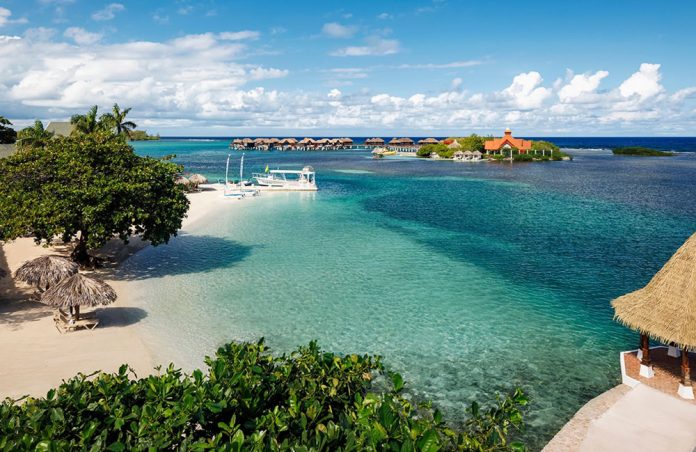
Visit Jamaica

If it’s time you and your loved one took a romantic break to a far-flung destination, Jamaica is surely as close to paradise on earth as you can get. The third largest of the Caribbean Islands, Jamaica is renowned for its laidback vibe, glorious beaches and beautiful scenery.

The island caters for all sorts of holidaymaker, but if it’s romance you’re after you won’t be disappointed. Read on to discover five of the best spots to visit as part of a memorable break at ahotel for couples in Jamaica.

Seven Mile Beach

Arguably the most famous beach on the island, Seven Mile Beach in Negril is renowned for its fine golden sand. Measuring 11 km, the beach is popular with couples and has a number of naturist patches for those who want to feel completely at one with nature. For a secluded experience, head to the northern section, known as Bloody Bay.

If you want to do more than simply stretch out on the sand and soak up the sun, you’ll find a variety of activities to get involved in here, including parasailing and snorkelling. Alternatively, why not take a romantic stroll along the cliffs to admire the views of the water below? And if you’re feeling energetic you can join the locals in a spot of cliff jumping!

Bath Mineral Springs

Head to St Thomas next to visit the Bath Mineral Springs, where you can bathe in the mineral-rich water and soothe your aching muscles. The healing waters are thought to benefit ailments like arthritis and provide the perfect opportunity to relax with your loved one.

Nearby are the Botanical Gardens, which date back to the 1700s and offer visitors the perfect end to a relaxing trip.

Dunn’s River Falls

The beautiful Dunn’s River Falls are something of a national treasure in Jamaica and cascade 600 ft over what seems to be a giant staircase. Climbing the waterfall is a popular pastime for visitors to the island, who join hands to form a chain and hike up the falls, led by an experienced guide.

Spend an hour or so climbing the waterfall and admire the lush greenery on either side as you scale the falls. During the excursion you’ll stop for short breaks, at which point you can have your photo taken in one of the lagoons to be found on the journey to the top.

Blue Lagoon

Another ideal place to spend a few hours relaxing is the Blue Lagoon, located in Port Antonio. The lagoon is the area’s most famous attraction, and rightly so. Its paradisiacal waters are more than 178 ft deep and change colour depending on the position of the sun. You can admire the process as you sip a glass of rum punch on the shaded veranda, take a refreshing dip in the lagoon or board a boat to take in the picturesque jungle surroundings.

Doctor’s Cave Beach

Montego Bay is Jamaica’s top tourist destination, largely as a result of its wonderful beaches. The lively resort is home to a particularly unique beach known at Doctor’s Cave, so named because of the physician who donated his beach property to a swimming club.

You can visit the glorious sands for a small fee and spend some time sunbathing or swimming in the crystal-clear water here. Afterwards, make the most of the local amenities, which include restaurants, golf courses and watersports providers.

Guide to Visiting the Mountain Gorillas

0

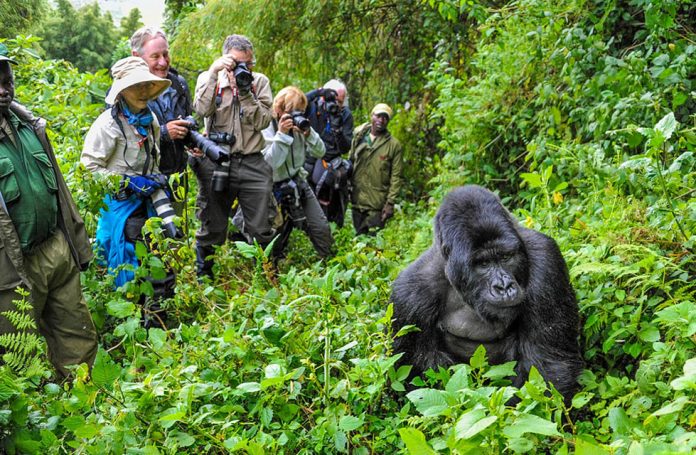
Plan a visit to the mountain gorillas in Africa using our resources. Here is exclusive information about gorilla trekking, best places to go, when to go and more. Trips to see remaining in 3 African countries of East Africa; Rwanda, Uganda and Democratic Republic of Congo. Make an adventure of a lifetime with us and track mountain gorillas beyond two countries and maximize your travel excitement with the largest primates on planet earth.

We’ll track gorilla families in Volcanoes National Park Rwanda and learn about what it takes to habituate them from their natural wild state till they are calm and accommodating to humankind for tourism activities.

Cross over a few kilometers into Uganda’s Bwindi National Park and get mesmerized by the rugged terrain, thick and mist covered forests. Get extra doses of excitement by tracking these wild giants again and take great note of comparisons and similarities for they are never the same. Walk at leisure in the communities close to the park that have lived with the Mountain Gorillas all their lifetime. Share their experiences, listen to their music and moving stories, dance to their tunes. Wash off the fatigue of taming African jungles with an adrenaline raising boat cruise on Lake Bunyonyi; the second deepest lake in Africa. The cool breezes will sooth your body and big swarms of beautiful birds tweeting in the air and magical views of floating islands calm your nerves. You have a big volume of wonderful experiences and authentic stories to live with and talk about all your lifetime.

Plan a Gorilla Visit

When should I track Mountain Gorillas in Uganda?

Tourists want to get the best out of the fee they pay for gorilla tour and usually some tourists ask questions like; when is the best time for gorilla trekking?. While Mountain Gorillas can be trekked throughout the whole year, it is more pronounced during the drier months of June, July, August and early September then December up to February are the most preferred months for Gorilla trekking. No is guarantee is there that it will not rain in Bwindi Impenetrable Forest since it is a tropical rain forest and it is influenced by micro conditions of the area.

How much is Gorilla Tracking Permit in Uganda or Rwanda?

To obtain a gorilla permit, you should pay USD 600 to the Uganda Wildlife Authority. There are some months where there discounted permits at US$450 and this during the months of April. Following an announcement from the Uganda Willdife Authority all gorilla permit bookings from July 2020, the price for the gorilla permit has been increased to US$700 per person.

How can I reach Bwindi Impenetrable National park?

The park is located in south western Uganda and is divided into four regions. Buhoma region in North, Ruhija region in the east, Rushaga and Nkuringo in the south. Each of this region has got habituated gorilla families for trekking/ tracking. If you are to trek gorillas in Bwindi Impenetrable National park, then you will need to mind about the specific regime where you are going as this will affect the lodge to be booked, gorilla as well as your transport.

When should I book my Gorilla permit/Tour?

Your Gorilla permit should be purchased three (3) months in advance to shortage most especially during the high season. The date you wish to travel should known by the tour company you wish to travel with.

What is included in a gorilla permit?

A gorilla permit allows you one hour with mountain gorillas in Bwindi Forest, Mgahinga or Volcanoes National Park. Included in the cost are park entry fees for the respective parks, services of National Park guides/rangers who will escort you to the forest. Gorilla Tracking Uganda will ensure that you secure permits in advance

How long is a Gorilla Trek in Uganda or Rwanda?

Mountain gorilla trekking exercise can take from twenty minutes to three quarters of the day so one needs to prepare for both. This depends on several factors that include, mountain gorilla movements, where the gorillas stayed the previous night and the mood of the gorillas. It may also depend on the people in your group since the guides/rangers move following the slowest person in the group. Gorilla Tracking Uganda trading as Encounter Africa Safaris is happy to provide all relevant advice.

What is the age limit for Trekking Gorillas?

The age limit for gorilla tracking (Uganda and Rwanda) and golden monkey trekking (Uganda) is 15 years. The authorities are very strict on this, so kindly make sure all clients and children are 15 or older in order to avoid any sad incidents like guest(s) kids being refused to track!

The age limit for trekking chimpanzees in Uganda is 12 years old and children 10 years and older are allowed to trek golden monkeys in Rwanda as long as they are accompanied by an adult. Children under 15 years are allowed to Dian Fossey’s tomb – although the latter hike is a stiff one so we do not recommend that either to children under 12-13 years.

What should I pack for Gorilla trekking?

You need to prepare very well for your gorilla trek in Rwanda or Uganda, we advise trousers, long sleeved shirts or blouses, long socks to enable you tack in your trousers, garden gloves, a hat, sun glasses, hiking boots, insect repellents and some energy giving foods.

Do you have any questions about Gorillas?

In case you have any questions about Gorilla tracking, you will send an email with the tour company you are traveling with.

What is gorilla habituation experience?

The Gorilla habituation experience is an activity in Bwindi Impenetrable National park where tourists are allowed to stay four hours with mountain Gorillas after paying USD 1500 for a gorilla habituation permit. The Gorilla habituation safaris are currently taking place only in Rushaga located in southern part of Bwindi Forest.

The experience of Gorilla tracking with a booked Tour Company of your choice.

In Uganda, most tour companies organize safaris for Gorilla tracking and are conducted in depth with knowledgeable guides. They guarantee you a highly personalized gorilla trekking experience safari in the National Parks of Bwindi Impenetrable and Mgahinga Gorilla National Park. The endangered apes have been drawing for decades to the mountainous slopes of Virunga. The National park Bwindi is quite a threatening name and rightly so as thick jungle looms before you set off in search of hairy cousins.

It is not easy to get there because it is hard work. There is nothing interesting as the magical hour you spend with the Mountain Gorillas. The close proximity changes images of devoted mothers which care for their young cheeky babies clambering through the trees and awesome light of a massive silverback which will remain with you forever. Your sole journey to Uganda for Gorilla tracking will make you feel rewarded. Other activities which can be carried out along side Gorilla tracking in Uganda include; Chimpanzee trekking at Kibale Forest. This offers you a glimpse into the lives of our primate brothers. An additional tour is to Murchison falls national park where you will see the mighty Nile squeezes through a tiny seven meter gap. The tree climbing lions at queen Elizabeth National park are also interesting to your safari in Uganda.

Safaris with most tours and travel companies

African safari featuring gorilla trekking in Uganda, Rwanda and Congo are intoxicating affair with a greater diversity of animals. You are called upon to visit the gorillas in the wild on exciting guided safaris offered by selected tour operators. A combined safari will enable you see a lot of amazing African animals including the big five as well the scenic landscapes that will make you fall in love with Africa.

4 Reasons Why You Should Stay at Nautilus Hotel in Lanzarote

0

1. The Personal Touch:

The Hotel Nautilus is a customer satisfaction leader in Lanzarote, which is a guarantee of a great vacation before you even leave home.

2. A Commitment To Responsible Tourism:

Since making its pledge to sustainability, the hotel has made a clear commitment to accessible tourism that enables their guests, regardless of age, physical and circumstantial limitations, to enjoy their vacation. Technical aides are available to visitors, including a hydraulic chair lift in the pool so that people with reduced mobility can enter and enjoy the weather as well. This is the first of its kind installed in the Canary Islands.

3. The Decor:

This beautiful hotel is decorated with original works of art belonging to the hotel’s private collection, allowing guests to enjoy fine works during their holidays, making them feel more at home.

4. Major Goals:

The next step for this hotel is to be focused on self-sufficiency by 2016, while 30 percent of the energy used by the Nautilus Lanzarote is currently clean. Moving forward in an environment like Lanzarote can be quite a challenge.

How to Plan the Perfect Safari to Namibia

0
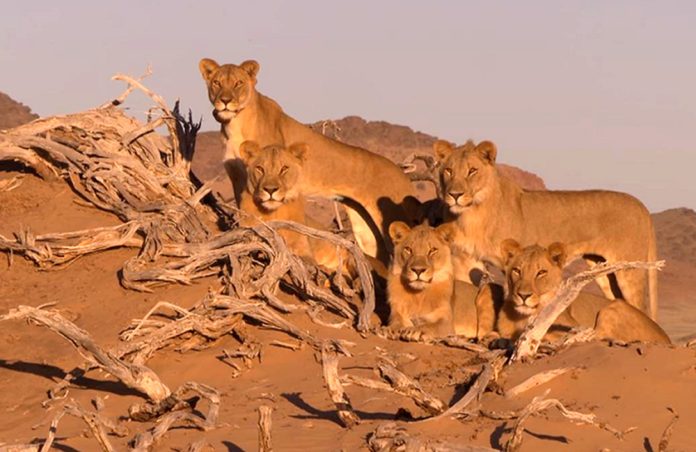
Namibia Desert Lions

If you are thinking of planning the perfect safari tour in Namibia, then you are in the right place. People say that Namibia is a land of true contrasts and an amazing place to travel to for a holiday. Namibia is a country that has recently gained independence in 1990 and is considered one of the world’s youngest democracies. But nothing stops it from breaking records in either the ancient things or the latest ones. Namibia is known as the ‘Land God Made in Anger’ because it is also home to more than a thousand shipwrecks. All these are scattered along with the Skeleton Coast and in the ancient Namib Desert archeologists have found more than 2,500 prehistoric rock paintings.

But you are looking for the perfect safari tour and Namibia won’t disappoint you either. This country is home to approximately 40% of Africa’s free-roaming cheetahs and a staggering number 210,000 Cape fur seals are found here. This place is double the size of California and less than 2.4 million people live here. This means that it is a very big place with very few people to guide you on your safari tour. So, if you are planning to enjoy your Namibia Holidays to their fullest, we recommend that you follow our guidelines for planning the perfect tour in the country.

Where to Go

When planning a trip to Namibia, you must select the ideal places for yourself. Namibia has an enormous variety of massive safari destinations to experience. So, let’s discuss them so you can choose the perfect safari tour for yourself. It’s a part of the planning process.

Etosha National Park

Difficult to pronounce for some foreigners, Etosha National Park is one of the largest natural reserves in the world. If I were to tell you the literal meaning of the name of this place, I’d say that Etosha means ‘Great White Place’. This is true as the area has been named after an enormous salt pan located in its center. In this lovely reserve, you can come across 114 mammals and 340 bird species. There are four of the Big 5 African animals living here too. The one exception is the buffalo as the environment of Etosha does not support them. There is also the floodlit Okaukuejo waterhole that is world-famous for safari enthusiasts to see numerous animals coming to drink water.

Namib Desert

Ancient and huge, this place is sometimes even referred to as the oldest desert on the planet Earth. This is the only place around the world where you can see the desert-adapted African elephants roaming about. These animals are distinct from their non-desert cousins as they have longer legs, smaller bodies, and bigger feet. Since this is a desert, you must have the right safari gear with you. You can buy it from the stores in Namibia or order it online before reaching here. There is a unique place that offers all the elements of an African Safari and also a rare dune bashing experience that is found only in the desert-rich areas such as Dubai. Apart from the elephants, you can also spot herds of wild horses here along with crashes of desert-adapted black rhinos. All you have to do is to go off the beaten track and you will come across them all.

Sossusvlei

This area can also be considered little Mars on Earth as the sand here is red. The redness of the sand is attributed to the tiny particles of iron ore that has been oxidized here. These intense shades of red have made this place rank high on the 45 most photographed sand dunes in the world. Many people who come here, enjoy climbing up the giant sand dune here at dawn to experience amazing views of the surroundings. If you have never climbed a sand dune before, let me give you a pro tip. Let go of your shoes and wear only socks. Climbing up that sandy mountain will become really easy.

 Deadvlei

African safari consists of watching animals living in their natural habitat. You get on a jeep with a guide and a bunch of other tourists and take a ride into the jungle finding wild animals here and there. It’s pretty much like the zoo, except there are no animals in the cage, except you. But if you are in Namibia and are looking to add another otherworldly place like Sossusvlei, then you have to add Deadvlei to your list. It is a photographer’s dream for some people as this location contains the petrified remains of 50 ancient trees that lived more than 260 million years ago. They have black silhouettes that stand out magnificently contrasting the ochre sand and people with a good eye can take back home some really great pictures of this place.

Swakopmund

This one is a coastal town that you have to add in your safari adventure in Namibia. Swakopmund is famous for its untouched 19th-century German colonial architecture. This is an anomaly in Africa because no one could have thought that the Germans would come all this way to colonize this remote part of Africa. But Germans are known to have the best eyes in the world and due to their colonization, today nearly a third of Namibians speak German. ‘Swakop’ is an adventure center and here you can enjoy all the crazy adventures that you can think of. You have skydiving here, imagine telling your friends that you actually popped out of the sky and the parachute landed in Africa! People can also enjoy quad biking, hiking, and sandboarding in the Namib desert.

If you thought that Namibia was keeping it all dry with the safaris, you can find a nearby town of Walvis Bay here as the starting point for marine safaris in Africa, here you will get to see dolphins and whales in the Atlantic. Another great thing about this place is that nearly 90% of South Africa’s flamingos come here every year in winters.

Twyfelfontein

If you are a fan of history and like prehistoric paintings, Twyfelfontein is the center of the ancient San Bushman art. Twyfelfontein is a unique word that is also quite difficult to pronounce for some people but it has an interesting meaning. In the Afrikaans language, Twyfelfontein translates to ‘I Doubt It Fountain’. And just like its name, people here claim that the ancient paintings and etchings here date back to 6 000 years at the very least. Now that’s a claim that would make me get in the car and drive over to this place to see those paintings.

These were the places you are bound to enjoy when you are visiting Namibia on a safari tour. There are also other locations such as the Fish River Canyon which is older than the US-based Grand Canyon and Kolmanskop that is an abandoned mining town near Luderitz. It dates back to the 19th-century diamond rush. For a camping adventure, you can head over to the Hoanib Valley that houses the loveliest lodges and camps in Namibia. Wherever you travel here, you can get one thing as a guarantee here and that is the sunshine. So if you are from the north of the world or a place like the UK, you are simply going to love this country in Africa.

Best 5 Honeymoon Safari Destinations in Africa

0
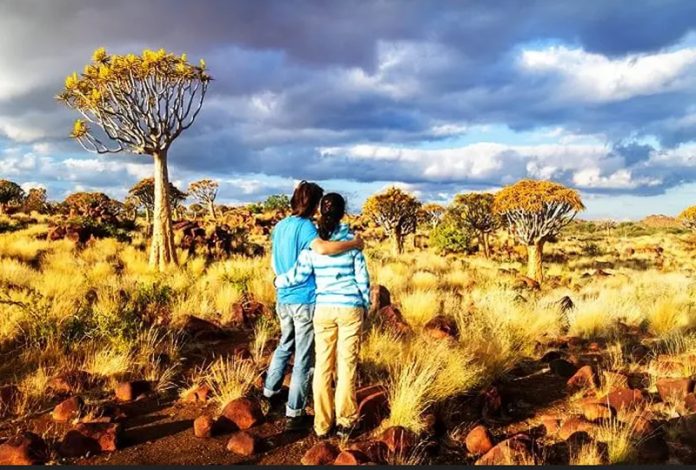
Honey Moon in Africa

If you have decided to get married and decide to stay with that special person in your life. What better way to celebrate your love than taking an adventurous safari to Africa to make new memories that will last.

Africa offers some of the most beautiful scenery and the memorable experiences. Below are the 5 honey moon destinations in Africa;

Kenya

This country provided the back drop for the Oscar award winning movie, out of Africa, it’s a country with tightly packed package of incredible safari experiences boasting of exotic wildlife, beaches, beautiful resorts and stunning scenery. Explore all the tourist sights, walk through the natural sanctuaries, shop, dine and relish the bliss. Kenya is one of the best honeymoon destinations blessed with varied pleasures.

The things to do in Kenya on a honey moon include; wildlife adventure at Masai Mara plain, beach pleasures at Mombasa, feed your instagram / facebook with pictures as mount Kilimanjaro, try the white water rafting at Sagna and enjoy an unforgettable cycle ride to hell’s gate.

Mauritius

This is a heaven on earth , One of the few places left in the world where you can look forward to walking up every morning in paradise with great fresh clean air, no loud and horrible noises and dramatic views that are hard to imagine. This is a perfect spot for breath-taking scenery, beautiful beaches and high end hotels, which makes it a perfect spot for newlyweds to make their once in a lifetime memories.

The common things to do in Mauritius on a honeymoon include; island hopping, the romantic cruise through Port Louis, snorkelling, scuba diving and Kayaking, pampering spa session, enjoy a romantic walk on the beach and also escape the city to poudre D or village to Listening to love stories of Paul & Virginie. The best time to visit is April to December.

Comoros Island

One of the most beautiful islands of East Africa, Comoros is an extremely romantic location for couples on honey moon. The breath-taking palm fringed beaches, turquoise beaches, sunsets, luxury resorts, great food, nightlife and the bevy of water sports to create the unforgettable memories.

The main things to do in Comoros Island include; the spa session, snorkeling, scuba diving, or sailing with your partner, candle lit dinner with delicious cuisine, exploring the pristine islands, scale through the Dos du Dragon and also taking a day trip to Moroni island- the perfumed island. The best time to visit is April to December.

Madagascar

This is one of the most beautiful places on earth. From its great scenery that seems right out of a fairy-tale to the famous wildlife that occupies the island. It has an array out activities for both the indoor and outdoor lover. You can have a visit to one of the national parks and have a date with the Lemur.

The things to do in Madagascar on a honeymoon include; have a date with the lemurs at the national park, travel through Tsingy de Bemaraha, one of the greatest national parks, laze around the sandy shores, swimming, take pictures of the clear blue waters, explore the Andasibe Mantadia national park for gam drives, savor the delicious food and drinks and watch the traditional display of Malagasy culture.

Zanzibar

It’s bound on all sides by some of Africa’s best coral beaches, Zanzibar is post card perfect. Filled with incredible experiences, a honey moon in Zanzibar is as great as you visit in quite economical costs. The tropical rain forest leads to the sandy shores which extend to azure waters. The main things to do in Zanzibar on a honeymoon including; taking romantic walks on the beaches, watch the sunset with your love, have a tour around the spice island, play on the beautiful beaches of Zanzibar, shop f0or lovely wares at Kiponda street, Learn about the history and culture of Zanzibar at Zanzibar galley and Relish delicious cuisine at the food stall. The best time to visit is from June to October.

For more ideas check out the Safari Web, a destination portal with resourceful information to plan a great holiday in Africa.

Air Travel Rules: Traveling With Tools

0
Air Travel Rules

Are you a handyman by trade? If so, it is likely that you have grown accustomed to carrying your tools around with you, wherever you go. In fact, there is also a chance that you may need to travel with them. Whether you are traveling for business purposes or not, it is important to know that the airline industry as a specific set of air travel rules concerning tools. If you are planning on bringing your tools along with you, you will want to take the time to familiarize yourself with these rules. Doing so may prove helpful, in more ways than one.

Before examining the tools that are not allowed aboard an airline and those that are, it is important to know one thing, there are different types of rules. Most airlines do not strictly prohibit you from carry tools with you, but they do restrict you from carry them at certain times. For instance, you will find that a large number of tools can be stored in your checked baggage, but they are prohibited from being stored in your carryon luggage. If, at anytime, you are confused about these bans, you are advised to contact your airline for additional information.

One group of tools that are banned from carry-on luggage includes sharp objects. With the recent focus on airport security, you should already be well aware of this type of ban. Saws, saw blades, drills, and box cutters are banned from all airplane cabins. Essentially, this means that you cannot store these items in your carry-on luggage; however, they can be packed in your checked baggage. Since all baggage, including the bags that you do not plan on keeping with you at all times, needs to be searched, you are advised to properly secure these tools. Not doing so may result in an air airline employee receiving an injury that could have been prevented.

In addition to tools with sharp edges, there is also a carry-on luggage ban on tools that could be used as a deadly weapon. These tools include axes, hatchets, cattle prods, hammers, and crowbars. This ban is mostly imposed due to the size and weight of these items. As with most other tools, the airline industry will allow you to store these heavy tools in your checked baggage.

Although it may seem as if all tools are banned from your carry-on luggage, that is not the case. There are a number of tools can be stored in your carry-on luggage. These tools commonly include screwdrivers and pliers. Additional tools may also be allowed, but they must not have been mentioned above. It is also required that these tools be no more than seven inches long. In the event that they are longer than seven inches, you will have to make additional accommodations.

Despite the fact that certain tools can be stored in your carry-on luggage, it may be a good idea to put these items in your checked baggage or leave them at home. Even though these items are allowed, you may raise suspicion from having them with you aboard a plane. That suspicion may not necessity come from airport security officials, but it may come from other passengers. With the way that the world works today, it may be best if you refrain from including these tools in your carry-on luggage, unless you absolutely need them.

Comparing Car Hire Costs in Uganda and Tanzania

0
Self Drive Tanzania

When planning a self-drive adventure or arranging transportation for a trip in East Africa, particularly in Uganda and Tanzania, car hire costs are a critical factor to consider. Both countries offer stunning landscapes, rich wildlife, and cultural experiences that are best explored with the flexibility that a rental car provides. However, the costs associated with hiring a car can vary significantly between the two countries. In this comprehensive analysis, we will delve into the various factors that influence the cost of car rental in East Africa and ultimately, which country might offer a more cost-effective option.

  1. Overview of Car Hire in Uganda and Tanzania

Car hire is a popular option in both Uganda and Tanzania, especially for tourists looking to explore national parks, game reserves, and other off-the-beaten-path destinations. The primary types of vehicles rented are 4x4s, such as the Toyota Land Cruiser LX, V8, PRADO, Rav4, which are well-suited for the rugged terrains commonly found in these regions.

Both Uganda and Tanzania have established car hire markets with numerous operators, ranging from international rental companies to local providers. The services offered typically include self-drive options, cars with drivers, and occasionally fully guided tours that include both a vehicle and a guide.

  1. Base Rental Costs

The base rental cost for vehicles in both countries depends on several factors, including the type of vehicle, the duration of the rental, and the season. Generally, the cost of hiring a car in Uganda is slightly lower compared to Tanzania, especially for extended rentals.

  • Uganda: In Uganda, the daily rate for a basic 4×4 vehicle, such as a Toyota RAV4, ranges from $50 to $60. For a more robust vehicle like a Toyota Land Cruiser, the daily rental cost can range from $80 to $150. These rates often decrease slightly for longer rental periods.
  • Tanzania: In Tanzania, the daily rental cost for a similar 4×4 vehicle starts at around $150 to $200 for a Toyota Land Cruiser. The prices are generally higher due to the increased demand for vehicles, especially in popular tourist areas like Serengeti and Ngorongoro.
  1. Vehicle Availability and Demand

One of the primary reasons for the difference in car hire costs between Uganda and Tanzania is the availability of vehicles and the demand in each country.

  • Uganda: Uganda has a moderately developed tourism sector, with a growing interest in self-drive safaris, particularly for gorilla trekking in Bwindi Impenetrable National Park and game drives in Queen Elizabeth National Park. However, the demand for rental vehicles is not as high as in Tanzania, leading to more competitive pricing among rental companies.
  • Tanzania: Tanzania, on the other hand, is a top-tier safari destination, attracting a significant number of tourists each year. The high demand for rental vehicles, particularly 4x4s for safaris in Serengeti and Ngorongoro, drives up the cost of car hire. During peak tourist seasons, the availability of vehicles can be limited, further pushing prices up.
  1. Insurance Costs

Insurance is a critical component of car hire costs and can vary between Uganda and Tanzania.

  • Uganda & Tanzania: Self Drive Africa provides comprehensive and third-party insurance as standard with all car rentals. This Insurance Policy covers ONLY, Head on Collusion and theft for the motor vehicle. The policy does not cover any damage caused by negligence such as driving under the influence of alcohol, wheels/trims, cigarette burns (Our vehicles are all non- smoking), punctures, damage to radio covers, badges, passing through water and the engine knocking etc. This policy does not cover Personal Life Insurance for the occupant. The Renter is advised to come with a life insurance policy from his / her home country.
  1. Fuel Costs

Fuel costs are another significant factor to consider when comparing car hire expenses. Fuel prices in Uganda are relatively stable and are generally lower than in Tanzania.

Uganda:

  • Petrol: Approximately UGX 5,800 – 6,200 per liter, which is about USD 1.55 – 1.64 per liter.
  • Diesel: Approximately UGX 5,400 – 5,800 per liter, which is about USD 1.43 – 1.55 per liter. This means that, for a typical 4×4 vehicle, you might spend less on fuel in Uganda.

Tanzania:

In Tanzania, fuel prices are slightly higher, with diesel averaging

  • Petrol: Approximately TZS 3,300 – 3,600 per liter, which is about USD 1.40 – 1.50 per liter.
  • Diesel: Approximately TZS 3,000 – 3,300 per liter, which is about USD 1.25 – 1.40 per liter. The higher fuel costs, coupled with longer distances between popular destinations, can add up, making overall travel expenses more expensive in Tanzania.
  1. Road Conditions and Maintenance Costs

The condition of roads in Uganda and Tanzania can affect not only the driving experience but also the maintenance costs of rental vehicles, which may be reflected in the hire price.

  • Uganda: Uganda’s road network is improving, particularly around major cities and tourist destinations. However, many roads leading to Uganda national parks and remote areas are still unpaved and can be challenging to navigate, especially during the rainy season. While this might not directly increase rental costs, it does mean that vehicles endure more wear and tear, potentially influencing rental rates indirectly.
  • Tanzania: Tanzania’s road conditions vary widely. While the roads within major parks and between key tourist destinations are generally well-maintained, many areas, particularly in rural regions, can be rough. The harsh driving conditions in parts of Tanzania mean that vehicles require more frequent maintenance, which can contribute to higher rental costs.
  1. Driver Costs and Additional Services

If you prefer not to drive yourself, you can hire a vehicle with a driver in both Uganda and Tanzania. The cost of hiring a driver can vary significantly between the two countries.

  • Uganda: In Uganda, hiring a driver typically costs an additional $40 to $50 per day. The drivers are usually knowledgeable about the local areas and can act as informal guides. Some companies may include the cost of the driver in the overall rental price, especially for long-term rentals.
  • Tanzania: In Tanzania, the cost of hiring a driver is generally higher, ranging from $60 to $80 per day. Given the complexity of routes and the expertise required for safaris, experienced drivers in Tanzania are in high demand, which contributes to the higher costs.
  1. Cross-Border Rentals

If you plan to drive across borders, for instance, from Uganda to Tanzania or vice versa, additional costs might be involved.

  • Uganda: Cross-border rentals from Uganda to Tanzania are possible but often come with extra fees. These fees can range from $50 to $100 depending on the rental company and the vehicle type. The paperwork and insurance requirements for cross-border travel can also add to the overall cost.
  • Tanzania: Similarly, renting a car in Tanzania for cross-border travel to Uganda can incur additional charges. The fees are often higher in Tanzania, reflecting the country’s more stringent cross-border regulations and the higher demand for vehicles. These fees can range from $70 to $200.
  1. Campsite and Accommodation Costs

While not directly related to car hire, the cost of accommodation, particularly at campsites, can influence your overall budget.

  • Uganda: Uganda offers a range of budget-friendly accommodation options, including campsites near national parks. These campsites are generally well-priced, ranging from $20 to $30 per night for basic facilities. The affordable accommodation options make Uganda a more cost-effective destination for self-drive travellers.
  • Tanzania: In Tanzania, campsite fees, especially within or near major parks like Serengeti and Ngorongoro, can be higher, ranging from $30 to $50 per night. This adds to the overall cost of travel, making Tanzania a more expensive option for self-drive adventures.
  1. Tourism Infrastructure and Accessibility

The level of tourism infrastructure and the accessibility of popular destinations can also impact car hire costs.

  • Uganda: Uganda’s tourism infrastructure is growing, but it is not as developed as Tanzania’s. While this means fewer luxury options, it also means less commercialized experiences and potentially lower costs. The less crowded nature of Ugandan parks can result in more personalized and budget-friendly experiences.
  • Tanzania: Tanzania boasts a well-developed tourism infrastructure, particularly in popular regions like the Northern Circuit. However, the high demand and the established nature of the tourism industry contribute to higher costs across the board, including car hire.

Conclusion

When comparing the costs of hiring a car in Uganda versus Tanzania, Uganda generally emerges as the more cost-effective option. While Uganda generally has lower fuel prices, which can reduce overall travel expenses, Tanzania’s fuel costs are higher, potentially increasing the total cost. Both countries include comprehensive and third-party insurance in their rental fees.

Ultimately, the decision between hiring a car in Uganda or Tanzania will depend on your specific travel plans, budget, and the experiences you seek. If budget is a primary concern, Uganda is likely the better choice. However, if you’re willing to spend a bit more for the chance to explore Tanzania’s world-famous parks, the extra cost might be well worth it.

Uganda or Rwanda for Gorilla Trekking: Where to Go

0
Rwanda Gorilla Trekking

Though Uganda and Rwanda are top destinations for gorilla trekking, one is better depending on personal choices and factors including gorilla permit prices, gorilla safari rates, convenience, number of mountain gorillas, accommodation facilities, forest habitats and special trip experience.

Tracking gorillas in a remote rich forested environment in either Uganda or Rwanda has always been a highlight for all great safari tours in Africa. But the Question for many travelers still stand where and why? Out of our gorilla trekking experience in both Uganda and Rwanda I believe you will be able to make a right choice of a perfect gorilla trekking experience in Africa.

Gorilla Permits

If you are traveling on budget ,I recommend visiting Bwindi Forest National Park and Mgahinga National Park of Uganda where gorilla permits cost US$800 per trek unlike in Rwanda where the gorilla permit price US$1500 for a single trek is a price for a private gorilla safari in Uganda. No need to travel in particular months of the year because the experience of meeting the endangered mountain gorillas is same in all wild trekking places January- December.

However, for outstanding luxury gorilla safaris in Africa, Rwanda is the right place to be. Find high end luxury in every trip aspect accommodation, transport and gorilla destination and enjoy many sensory luxury pleasures.

Cost of Gorilla tours

Uganda gorilla tours are cost friendly for both budget and luxury travelers across the world and they have real value for money. All gorilla watching safari parks; Mgahinga and Bwindi Forest offer same tour price ranges with a difference in accommodation facilities and transport means. If you want to see mountain gorillas, golden monkeys, birds, wild habitats without stretching your budget, Uganda is the only answer.

Rwanda gorilla treks are just the opposite with a silence touch of luxury and beauty all through. The pricey luxury safari lodges and permits make all Rwanda tour to Volcanoes national park very costly and exclusive for only big spenders. Though the activities are the same for all gorilla safari tours, the opportunity for seeing mountain gorillas in Rwanda is for the rich.

Convenience

Tracking endangered species in Rwanda is very easy and convenient since Volcanoes national park is located close to Kigali international Airport and tourists can get to the park by road in just 2-3 hours. However same applies to Uganda it’s now very possible to fly to Rwanda and track mountain gorillas in either Bwindi impenetrable National park. Rwanda is more convenient for those who prefer short drive distances to the park.

Number of Mountain Gorillas

Obviously Uganda has the highest number of mountain gorillas living in two gorilla trekking destinations; Bwindi forest National Park and Mgahinga National Park. History confirms that out of the total population of endangered mountain gorilla species on earth, half live in Uganda. For those planning their gorilla treks in famous populated mountain gorilla homes, Uganda should come first on the list.

Accommodations & Trekking Experience

There is variety to choose from when it comes to gorilla trekking safari accommodations in both countries. Volcanoes national park in Rwanda offers well-built accommodation facilities  including Bisate lodge, Sabinyo Safari Lodge, Mountain Gorilla View Lodge, Volcanoes Safari Lodge to mention but a few.

Also there is a lot of accommodation facilities in the four park sectors of Bwindi Impenetrable National Park; Buhoma, Ruhija, Rushaga, Nkuringo. Mgahinga National Park has lodges like Mount Gahinga Lodge for luxury, Kisoro tourist hotel, Amajambere Community Camp etc. If you a huge fan of gorillas choose right and enjoy the best moment and times with the unique beautiful mountain gorillas in Africa.