Home Blog Page 6

Climate justice is a Critical Issue for the Tourism Industry

0

Each year, temperature records are broken and extreme weather events strike. July 22, 2024 now marks the hottest day on record, surpassing the previous heat records set in 2023.

Extreme weather events are impacting many tourism hotspots, such as the recent Jasper wildfire, the April 2024 flooding of Dubai airport and the 2023 Maui wildfires. Yet tourism continues to grow, and travel levels are expected to surpass pre-pandemic levels shortly.

Climate change is an inseparable aspect of modern tourism. On the one hand, the key components of tourism — transportation, aviation in particular, as well as accommodation — are major contributors to carbon emissions. Aviation emissions alone account for an estimated eight to 10 per cent of overall greenhouse gas emissions.

But, in turn, climate change also poses increasing and severe risks to tourism businesses. Beach holidays are threatened by rising sea levels, ski resorts can no longer depend on snowfall and some tourism businesses risk becoming uninsurable.

Burned forest on the edge of Jasper, Alberta, on August 16, 2024. Wildfire caused evacuations and widespread damage in the National Park and Jasper townsite. THE CANADIAN PRESS/Amber Bracken

Until recently, the response to the climate crisis has focused largely on climate action. This includes addressing the impacts of carbon emissions through mitigation (using technologies to prevent emissions) and adaptation (adjusting to climate change) in impacted areas.

However, our new report from The Travel Foundation argues the tourism industry needs to consider climate justice before undertaking any climate actions. We conducted in-depth interviews with a wide range of tourism experts to determine how the industry can play a role in a just transition.

We’re running our annual survey to find out what you think of our content

Climate justice

The tourism industry’s engagement with climate justice is well overdue. The concept of climate justice first gained international recognition in 2000 when the first climate justice summit was held alongside COP 6 at the Hague.

Climate justice is an inclusive approach to climate action that centres the voices and needs of communities most impacted by climate change. Indigenous, Black and other marginalized communities are particularly vulnerable to the severe impacts of climate change.

As, Daniela Subtil, the network co-ordinator for Stay Grounded, a network of organizations promoting alternatives to aviation to address climate change, said:

“The impacts of the climate crisis that aviation contributes to are being felt… by marginalised, historically and systematically marginalised peoples. Yet there is a very tiny percentage of the world’s population flying.”

Climate justice recognizes that these communities often lack the resources needed to deal with the impacts of climate extremes. Despite contributing the least to the climate crisis, both historically and in the present, many of these communities — particularly across the Global South — are bearing the brunt of its consequences.

Our report highlights that low-income countries account for less than one per cent of travel and tourism emissions, but will suffer the most from climate change. Tourism emissions are disproportionately caused by a small percentage of the population that are primarily in the Global North.

A 2020 study, for instance, found that a small group of “super-emitters” — just one per cent of the population — were responsible for half of aviation’s carbon emissions in 2018.

A better approach to travel

Demands for climate justice are just as relevant to travellers as they are to the tourism industry. Whether it’s the need to better prepare for climate disasters at destinations or the potential increase in levies that the industry will pass onto consumers, travellers are not shielded from the effects of climate change.

Our report encourages a responsible approach to travel planning that urges travellers to take into account not only their carbon footprints, but also their broader impact on social justice.

This begins with recognizing the communities and environments impacted by tourists’ travel choices. Tourists should be aware that their presence may not be welcomed in communities dealing with climate change-related disasters.

A climate justice approach also normalizes the idea that tourism businesses can act as first responders in climate emergencies, bringing their skills and resources into action.

Climate justice tourism

There are already existing examples of tourism that better aligns with the principles of climate justice. Often it is Indigenous communities leading the way, from Traditional Owner communities in Australia to Indian Country in the United States.

For instance, Dreamtime Dive and Snorkel in Australia educates about the Great Barrier Reef World Heritage site, the impacts it faces from climate change and the Traditional Owners connected to the site.

Canada is also fortunate to be home to some unique examples of this type of tourism in action, including the Haida Gwaii archipelago off of the coast of British Columbia, which has always been home to the Haida Nation.

Given the islands’ distinctive natural and cultural beauties, Haida Gwaii has become a popular tourist destination. In an attempt to assert control over tourism to their homelands and ensure visitors are following a path of responsible tourism, the citizens of Haida Gwaii have initiated the Haida Gwaii Pledge.

The pledge asks tourists to understand the responsibility of care that Haida have for their place and people. It invites visitors to join them in this care and be respectful guests during their visit. This is one example of transforming tourism relations for justice. It will become increasingly needed as climate change impacts hit harder and harder.

Ultimately, climate justice is a critical issue for all of us. Recent events prompt us all to commit to climate action with concern for more just outcomes. This may also transform tourism for the better.

Jeremy Smith, a climate specialist for The Travel Foundation, co-authored this article.
Park Hyatt New York – Art and Spa Lovers Paradise

0
Park Hyatt NewYork

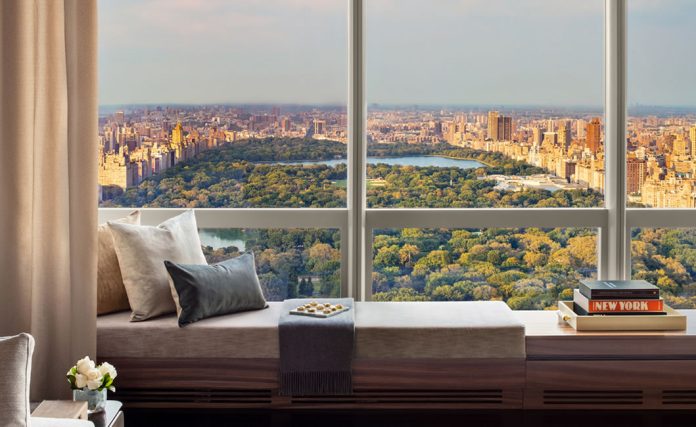
Located in the heart of Midtown Manhattan, our New York luxury hotel is situated directly across the street from Carnegie Hall and one block from Central Park. Designed by world-renowned, Pritzker Prize-winning architect Christian de Portzamparc, Park Hyatt New York features 210 generously sized guest rooms, including 92 luxury suites, designed by Yabu Pushelberg. Our stunning and state-of-the-art rooms are among the largest in New York City averaging 530 square feet and feature breathtaking views of the New York skyline and partial views of Central Park.

Throughout our hotel, guests experience urbane spaces offering sophistication and elegance. Indulge in our oversized accommodations that combine luxury furnishings with high-tech amenities. Discover intimate experiences tailored to your individual preferences, from delectable cuisine at The Back Room to soothing body treatment at Spa Nalai. We take pleasure and pride in customizing each stay for traveling professionals and vacationing tourists, including being a pet friendly hotel.

With its premier address on West 57th Street, Park Hyatt New York is nestled among the city’s top destinations and faces the world-famous Carnegie Hall. Experience the stunning acoustics of this performing arts and music venue across the street, or in our hotel with exclusive Carnegie Hall-related features. Raising the standards for New York luxury hotels, Park Hyatt New York delivers style and sophistication in every detail with beautifully articulated spaces that are functional and fashionable.

Try the World

0

Once in awhile, there is an idea that is so magnetic it turns heads and pulls the attention from all the other similar ideas. The luxury gourmet subscription box Try the World was one of those ideas.

In an ever expanding sea of subscription boxes for cosmetics, foods and other everyday products, Try the World has stood out among them as exceptional and has held us enthrall. Perhaps it was their clean and bright branding that stuck in our memory: a happy blue and white hot air balloon that beckoned adventure. Or perhaps it was the fact that the contents inside each Try the World box were collected by celebrity chefs from local communities, made by small family-owned businesses, and procured from authentic sustainable ingredients. Or maybe it was the idea of having a tiny adventure sent right to our door every two months. We would come home from a humdrum day of work and find a package sitting on our doorstep. That package would contain a handful of items that would surprise our senses, inspire us to try new recipes, teach us about other cultures, and tempt us to share our discoveries with friends and family. Whether it was one of these elements or all of them working together, we found ourselves ordering a subscription soon after visiting their website.

Within two weeks of ordering, a little brown box was set neatly on our welcome mat, waiting to be opened. Inside the brown box was a blue box with a hot air balloon printed on the top. Our Try the World experience was about to begin. Lifting off the lid, we first discovered a brochure and a card that listed all the items nestled below. The brochure featured France, and Paris in particular. It spoke of the Parisian culture that we were hoping to learn about.

Wanting to be surprised by our bounty, we set the product list aside without reading it and lifted a second sheet of thin cardboard from the box. Underneath was a treasure trove of treats. Soft salted butter caramels, butter cookies, locally procured sea salt, whole grain mustard, peach apricot jam, and lavender jelly. A sudden craving for fresh baked bread came over us. We couldn’t wait to start tasting these creations, but first, we picked up the product list and read the stories behind each item.

The caramels melted in our mouths and sent delightful chills down our spines as we were reminded of the handmade candies of our childhood. The butter cookies were gone in about a minute and a half. The salt was added to our spice collection, ready for our next pork chop dinner or vegetable saute. The jams melted perfectly with a little butter on toasted sourdough bread and made for a lovely breakfast treat. The whole grain mustard however, was the crowning jewel of the box. Never have we had a mustard that contained so many layers of flavors yet was delicate enough to not overpower the palate. For the next week, that mustard went on everything (except ice cream).

Over the next few months, we received three more boxes: treasures from Buenos Aires, Argentina and two boxes from Japan. The Argentina box revealed smoked chimichurri (which we used to flavor a steak), dulce de leche creme sauce (perfect for drizzling over French toast), sweet and salty Koo! cookies (also eaten within seconds), an assortment of teas, jam made with red fruits, malbec wine and honey, and a rather interesting jelly loaf called Dulce de Membrillo, which we still have yet to try.

The boxes from Japan had a few products that overlapped, but most of the contents in the two boxes differed enough to give us a grand sampling of the region. The treats that we found in both boxes were rice paper candies (a treat I remember from childhood when the local Japanese community would put together an annual culture festival), peach gummy candy, and matcha blueberry tea powder. We were delighted to find authentic umami ponzu sauce, ginger paste, an okonomiyaki kodawari packet (a package of dried powders to flavor an egg omelet), soba noodles, and seaweed sheets. A Japanese feast took place not long after we opened our second box.

With airfare prices increasing and growing work demands, it isn’t a simple feat to pack a set of eating utensils and travel to exotic culinary destinations. However, Try the World has done a surprisingly effective job of bringing various flavors and culinary adventures right to the homes of US citizens. Going on its third year, Try the World was created by food and travel lovers Kat Vorotova and David Foult in 2013. With the idea of bringing luxurious gourmet food from around the world to those who love trying new things and learning about culture, Kat and David designed a prototype box in New York that featured treats from Paris. It sold out in two days. Now, the company has shipped more than one million items across the country and has worked with renowned chefs, like Alex Atala, to curate boxes from Argentina, Brazil, France, Italy, Japan, Morocco, Spain, and Thailand. New boxes are being created all the time and more countries will be added to the list as popularity continues to grow.

Try the World’s website is also a treasure trove. Subscriptions come in different varieties and packages and your first box is free. If you find that you simply can’t live without an item that you discovered in a box, you can purchase it on Try the World’s online shop. The Try the World online magazine is packed with recipes, interviews with chefs, cultural snippets and other delightful bits of information that will inspire you to get creative in the kitchen.

One thing we were torn about was the packaging used to ship the products. While each box resembled a beautifully wrapped gift complete with crimped paper stuffing that made us feel warm and cozy, it was a lot of packaging to recycle. Granted, the packaging was recyclable and we saved the boxes for wrapping gifts of our own during the holidays. Perhaps there will be an option in the future to return the boxes to be reused over and over. Other requests that are being addressed are the option to customize boxes to fit dietary restrictions and the ability to receive boxes internationally.

All in all, if you are a culinary adventurer who yearns to travel to tasty destinations, we recommend that you take Try the World for a test drive. We are confident your tastebuds are going to be thrilled.

12 Most Excellent Tourist Attractions in UAE

0
Visit Dubai

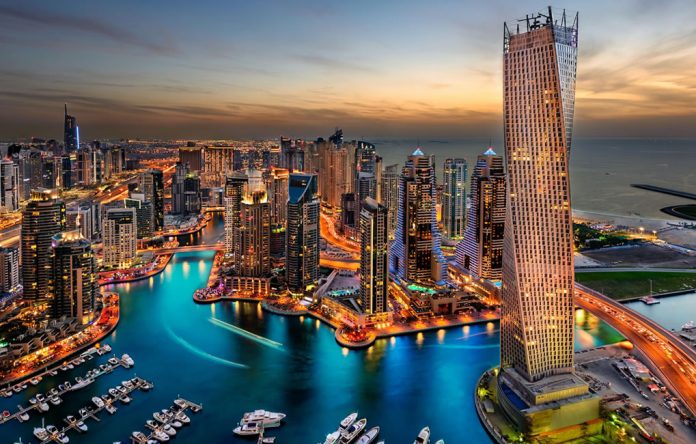
The United Arab Emirates has over the years been transformed to become one of the most favorite family holiday destinations in the Middle East. With iconic skylines of apartment buildings, full-throttle development and world-famous beach resorts, there is every reason for people seeking amazing city breaks to find their way to this great region. There are many landmark tourist attractions including Sheikh Zayeed Mosque in Abu Dhabi and the towering Burj Khalifa in Dubai which make UAE a modern luxury destination

There is more to the United Arab Emirates than shopping, skyscrapers and sandy shores. If you are a fan of culture, you will appreciate exploration of the country’s Bedouin past to be exciting as you delve into many forts that makes the desert coastlines a real attraction. Nature lovers will also fall in love with the rough peaks of Hajar Mountains and the desert that stretches right from where the cities’ borders. Below are some of the top-rated attractions that you should visit: –

Sheikh Zayed Grand Mosque

This is a mammoth mosque that features modern architectural designs and elements thus making it an incredible beauty. Using ancient craftsmanship skills and contemporary design, the mosque brings out a harmonious mixture of old and modern. None who set foot inside the mosque fails to be dazzled by the lavish use of gigantic proportions of marble and glass work used,  gold, mosaic work, and blindingly white stone that contrasts spectacularly under the dazzling Emirati blue skies.

Burj Khalifa

This is one of the most famous buildings in the United Arab Emirates and Dubai’s towering sky-high landmark. The building not only lays claim to the title of the world’s tallest skyscraper but also is the world’s tallest freestanding structure, elevator that has the longest travel expanse and the highest observation floor in the world. Many tourists always enjoy the sightseeing highlight when making a trip all the way up to Burj Khalifa’s observation floor with its wide-coverage views of Dubai.

Jebel Hafeet

The peak of Jebel Hafeet provides a favorite trip from Al Ain and Abu Dhabi, with extravagant desert vistas all the way to the top of winding road. Once you go up the twisting mountain road, you will be rewarded with the ability to see across the vast sweep of the desert with a wide range of views to enjoy.

Hajar Mountains

The mountains cut through the expansive desert, creating the wild and rough heart of the UAE. Hajar Mountains have curling roller-coaster roads offering magnificent landscape along the way, linking the tiny villages in the region. There are many wadis or valleys for hiking and exploration across these mountains.

Al-Bidyah Mosque

This is UAE’s oldest mosque which stands as an important historical site. Located in Fujairah Emirate, the small structure was beautifully designed showing off some original ventilation tunnel patterns which are still visible on the walls. The surrounding area stands as an archeological site, with numerous metal and pottery artifacts being excavated from there.

Sharjah Museum of Islamic civilization

This museum focuses on the Islamic history and stands out as one of the most spectacular museums in United Arab Emirates. It has some interesting exhibits dating back to the Islamic empire years. Many displays have religious documents and manuscripts and due to the excellent information boards at hand, tourists will be able to understand them with ease.

Sharjah Arts Museum

This is an important, modern museum devoted to arts. It features a variety of art collections in the UAE and has been recognized the Arabic artists for its assortment of works. It also has various pieces of art by European artists especially those specializing in Arab world paintings. The museum has temporary exhibition programs scheduled throughout the year.

Dubai Creek Dhow Ride

If you love taking some amazing views of Dubai from the water, then Dubai Creek Dhow Ride will give you the best deal. The traditional Arabic boats are designed to play the creek thus allowing you to enjoy iconic views of Dubai. Sunset cruises are characterized with beauty and you enjoy watching the twinkling lights of the city’s high-rises at dusk.

Desert Excursions

If you are the kind that has adventurous traits, then you should venture away from the cities and explore the empty sweep of desert enfolding the coastline. There are many things to look forward to in the desert including sand boarding, dune-buggy trips, 4-wheel-drive excursions, camel treks and hiking. You can play your dessert trip from Fujairah and Abu Dhabi but Dubai is the most famous base for excellent desert sightseeing. If you are not the adventurous type, you might find Bedouin-style dinners to be a great alternative as it also allows you to enjoy the beauty of the empty desert.

Bastakia

Dubai’s Bastakia quarter is the last fragment that remains of old Dubai and is a must visit. This small heritage region really appeals to the gentler, simpler past of the city prior to the dominance of the skyline by high-rise architecture. Narrow streets are lined up with well preserved structures in distinctive Arabian architecture designs, most of them with wind-tower aspects. There are numerous museums, where one can access houses and see unique Arabian interiors within Bastakia quarter, together with small surviving parts of the old Dubai city wall and mosques.

Dubai Museum

If you want a feel of Dubai’s traditional life, then Dubai museum is the place to visit. It is covered with amazing displays of the local Bedouin life in addition to exhibits of the mid-20th century pearly diving and fishing economic mainstays. The museum is located within the well-refurbished Al-Fahidi, which is built of ancient coral-block structural design.

Beaches

The United Arab Emirates has a beach for every beach lover. These range from the secretive of luxury lines of sand in Ajman to city beaches surrounding Abu Dhabi and Dubai to natural beaches in Fujairah Emirate. There are also privately owned beaches for hotels but these too can be used by non-guests though at a fee. Many resorts offer water-sports including jet skiing, diving and snorkeling.

Stay at Alladale Wilderness Reserve for Stunning Scottish Wilderness

0
Alladale Wilderness Reserve

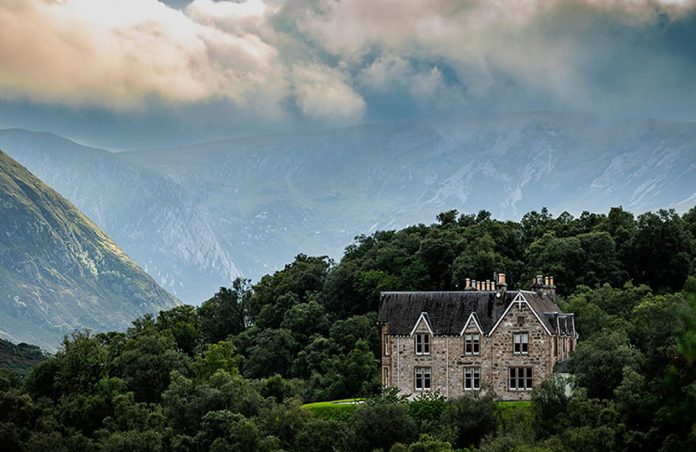
Stay in Alladale’s well-equipped lodge or in one of the two beautifully converted farmhouses which provide the ideal base to head out and explore the extraordinary landscape, a last remaining segment of The Great Forest of Caledon. Walking, breathing, hiking, cycling, fishing, running, visiting the secret waterfall or simply sitting and meditating…. you have 23,000 acres of glens, rugged hilltops and rivers to roam and find your perfect spot to enjoy time on yourown or connect with your group.

Our dedicated team at Alladale are local to the area. Our guides have a deep appreciation of the bio-diversity of the region and will happily explain the purpose and progress of Alladale’s long term re-wilding project, whilst ensuring you uncover the natural powers of the reserve. Your mental, physical and spiritual wellbeing promises to be re-awakened and re-nourished.

But there is no getting away from it – at Alladale Mother Nature plays the most important role of all, ensuring everyone who stands in her shadow returns home feeling healthier and happier.

Where to See Gorillas: Bwindi Vs Volcanoes Park Rwanda

0
Gorilla Trekking in Rwanda

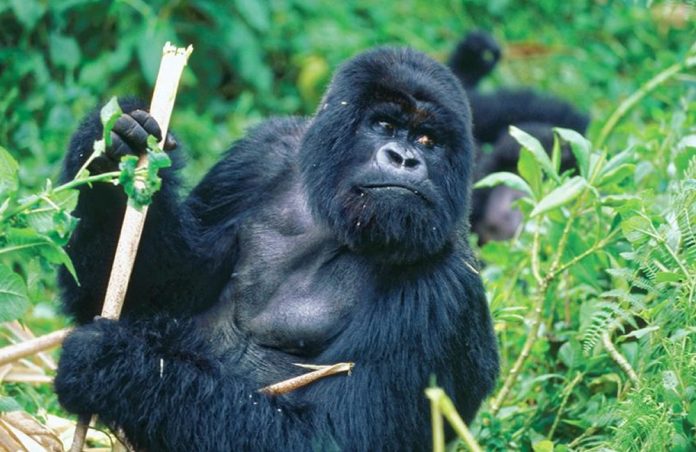
The impenetrable jungles forests of Bwindi are famous for hosting a considerable population of the mountain gorillas in Uganda while Volcanoes National Park is home to Rwanda’s mountain gorillas. It should be noted that, in the past five year, Volcanoes National park has been the prime destination for gorilla safaris receiving most tourists interested in seeing the mountain gorillas. Tourists on Rwanda safaris were paying US$750 per permit which was slightly more expensive that the Bwindi permit. From 5th may 2017, Rwanda increased the cost of gorilla permit from US$750 to US$1500. The 100% increment of the gorilla passes  shocked many tourists who were planning to do gorilla treks in Rwanda’s Volcanoes National Park, thus pushing a considerable number of visitors to Bwindi.

Many tourists cancelled their plan to avoid high cost of Rwanda gorilla permit and decide to visit Bwindi Impenetrable national Park.  If you book 2 days Uganda Gorilla safari with budget accommodation, US$1500 can pay for the whole trip but in Rwanda it only cater for gorilla permit.

The Uganda gorilla permit costs US$800 amidst Rwanda’s high cost so, tourists find much cheaper to trek gorillas in Bwindi Impenetrable national park. In addition to that, Uganda offers discounted gorilla permits in low season (April, May and November). In low season, Uganda gorilla permits occasionally are discounted to US$500 to foreign visitors, UGX150,000 to Ugandans and US$400 to east African residents.  Such offers act as pull factor to many visitors to come to Uganda instead of going to Rwanda.

The UNESCO world heritage site of Bwindi hosts a larger number of mountain gorillas. It is believed that half of the world’s mountain gorillas are found in Bwindi Forest.  Many tourists are attracted to the park where they will see a variety.  Currently, Bwindi Impenetrable National park hosts 14 habituated Gorilla groups while Volcanoes National Park has ten.

Bwindi Impenetrable National park has four gorilla trekking centres or trails namely: Nkuringo trail, Rushaga trail, Buhoma trail and Ruhija trail.  Tourists are free to trek gorillas where they feel like basing on the type of accommodation they want to stay.  Guests, whose travel dates are flexible, can visit all the four trails to explore the park.

The short distance from Kigali, Rwanda to Bwindi impenetrable National Park. The 3- 4 hours’ drive from Kigali to Bwindi attracts visitors from Rwanda to trek Uganda gorillas. Most of the visitors fly into and depart from Kigali Airport.

Presence of Entebbe and Kigali Airport- some visitors use Entebbe Airport while other uses Kigali Airport. The two major entry points make it easier for visitors to trek Bwindi Gorillas. Flight fares also determine the number of visitors to visit the country. It is believed that Rwandair offers pocket friendly flight to Entebbe and Kigali Airport.

Presence of East Africa tourist visa which allow visitors to enter all East African countries with much ease. East African countries include Kenya, Tanzania, Burundi, South Sudan and Uganda where you can enter using the same visa at US$ 100 each.  It should be noted that visas are booked on line in advance but payment is done on arrival at Entebbe or Kigali Airport. The easy procedure to get East Africa Tourist visa has boosted tourism in East Africa.

Bwindi Offers a variety of tourist attractions and activities like gorilla trekking, birding, nature walks, Batwa community tour, Forest walks among others. Such attractions forces visitors to go to Bwindi Impenetrable National park.

Presence of better safari Lodges ranging from Budget to Luxury accommodation. Bwindi offers world class accommodation and among the best accommodation include Mahogany spring Lodge, Nkuringo Bwindi Gorilla Lodge, Gorilla safari Lodge, Silverback Lodge, Clouds Lodge, Chameleon Hill Lodge and so on.

Uganda offers the best gorilla trekking experiences in rain forest – the tall trees offers pure oxygen and breath taking view of the green vegetation. Volcanoes National park is made up of bamboo forest.

What Should I Pack for a Kenya Safari?

0
Kenya Safari Lions

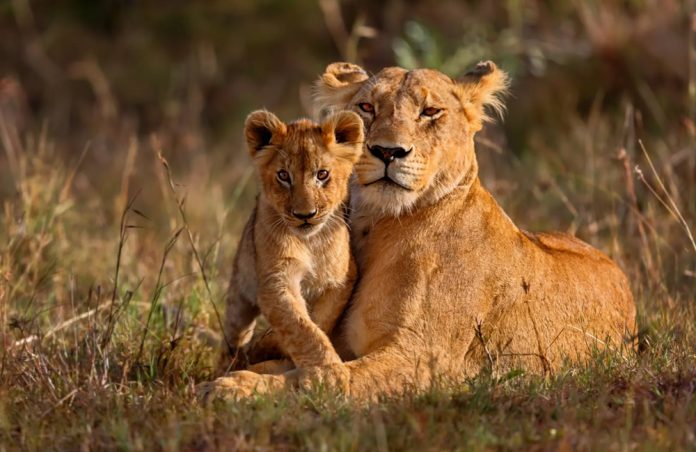
Embarking on a Kenya safari is an exhilarating adventure that promises encounters with Africa’s iconic wildlife and breathtaking landscapes. However, to make the most of this extraordinary journey, it’s essential to pack thoughtfully and purposefully. Each item you bring serves as a key to unlocking comfort, convenience, and safety throughout your Kenya safari experience. From clothing suited for the savannah’s varying temperatures to essential gear for wildlife viewing, your packing list sets the stage for an unforgettable safari expedition. In this guide, we’ll explore in detail the essentials you need to pack for a Kenya safari, ensuring you’re well-prepared to immerse yourself in the wonders of the African wilderness.

CLOTHING

  • Neutral-Colored Clothing: Opt for neutral tones like khaki, beige, and olive green to blend in with the natural surroundings and avoid attracting unwanted attention from wildlife.
  • Long-Sleeved Shirts and Pants: These protect you from the sun and potential insect bites. Lightweight, breathable fabrics like cotton or moisture-wicking materials are ideal.
  • Sweater or Fleece: Evenings and early mornings on safari can be chilly, so pack a lightweight sweater or fleece to stay warm.
  • Comfortable Walking Shoes: Choose closed-toe shoes that are comfortable for walking and offer good support, especially if you plan on any bush walks.
  • Hat and Sunglasses: Protect yourself from the sun with a wide-brimmed hat and UV-blocking sunglasses.
  • Swimwear: If your safari includes a lodge with a pool or if you plan to visit coastal areas post-safari, pack swimwear.
  • Rain Gear: Kenya’s weather can be unpredictable, so bring a lightweight rain jacket or poncho just in case.

GEAR

  • Binoculars: Enhance your wildlife viewing experience by bringing a pair of binoculars to spot animals from a distance.
  • Camera and/or Binoculars with Camera Function: Capture stunning photos of Kenya’s diverse wildlife and landscapes. Don’t forget extra memory cards and batteries.
  • Flashlight or Headlamp: Essential for navigating campsites or lodges after dark and for nighttime game drives.
  • Power Bank: Keep your electronics charged, especially if you’re spending multiple days in the wilderness.
  • Reusable Water Bottle: Stay hydrated during your safari by bringing a reusable water bottle. Some lodges and camps provide filtered water for refills.
  • Daypack or Safari Bag: Carry essentials like water, sunscreen, insect repellent, and snacks during game drives.
  • Travel Adapter: Kenya typically uses Type G electrical outlets, so bring a suitable adapter to charge your devices.

PERSONAL ITEMS

  • Sunscreen and Lip Balm: Protect your skin and lips from the harsh African sun.
  • Insect Repellent: Ward off mosquitoes and other insects to prevent bites and potential diseases like malaria.
  • Hand Sanitizer and Wet Wipes: Maintain good hygiene, especially when access to running water is limited.
  • Personal Medications and First Aid Kit: Pack any prescription medications you need, along with a basic first aid kit for minor injuries.
  • Toiletries: Bring travel-sized toiletries like toothpaste, shampoo, and soap. Many lodges and camps provide basic amenities, but it’s always good to have your own.
  • Travel Documents and Identification: Carry your passport, travel insurance details, and any necessary permits or vouchers in a waterproof pouch.
  • Cash and Credit Cards: While larger towns and cities accept credit cards, it’s wise to carry some cash for tipping and small purchases in rural areas.

OPTIONAL EXTRAS

  • Guidebooks or Field Guides: Learn more about Kenya’s wildlife and culture with guidebooks or field guides.
  • Travel Journal and Pen: Document your safari adventures and memories in a journal.
  • Snacks: Pack non-perishable snacks like nuts, energy bars, and dried fruit for long drives or bush walks.
  • Safari Hat: Besides sun protection, a safari hat adds a touch of authenticity to your safari attire.
  • Travel Pillow and Blanket: Comfort items for long drives between safari destinations or flights.

Conclusion

Packing for a Kenya safari requires careful consideration of clothing, gear, and personal items to ensure you’re prepared for the diverse environments and experiences you’ll encounter. By packing essentials like neutral-colored clothing, binoculars, sunscreen, and personal medications, you’ll be ready to embark on an unforgettable adventure exploring Kenya’s majestic wildlife and landscapes. Remember to pack light, stay flexible, and immerse yourself fully in the magic of safari life.

Top 10 Theaters in London

0
The Palladium

London is home to some of the best theaters in the world, that play all the newest and most popular shows and musicals. Of course, when you’re visiting London you don’t have time to see everything, so here is a list of 10 top theaters in London.

1. The Palladium

The Palladium is one of London’s most famous theatres, located in the West End. This venue was built by Frank Matcham, a theatrical architect, in the nineteenth century. This historic theatre is still the location of some amazing events like the annual Royal Variety, a gala attended by members of the Royal Family. London Palladium – 8 Argyll Street, Soho, London. Phone: 0844 412 4655

2. The Dominion Theatre

Another on this list is the Dominion Theatre. Built in the late nineteen twenties, this site has hosted many famous shows, and it’s most famous for “South Pacific” and “The Sound of Music”. The Dominion Theatre London has provided many thousands of guests with a great viewing experience in the past, and it continues to offer the same great quality to patrons today. Dominion Theatre – 268-269 Tottenham Court Road, London. Phone: 020 7927 0900

3. The Globe Theatre

The most historically important theater in London is the Globe Theatre. In 1599, this playhouse was built by a play company in which William Shakespeare was a member, and some of Shakespeare’s plays were originally performed here. Unfortunately, the original building was demolished, but today you can visit a reconstructed version. Shakespeare’s Globe Theatre – 21 New Globe Walk, London. Phone: 020 7928 9444

4. The London Coliseum

When speaking of London’s top theatres the London Coliseum is a must mention. This show hall was opened in 1904, and has been entertaining viewers from far and near ever since. Today, it is one of the largest and most advanced theaters in London. London Coliseum – Saint Martin’s Lane, Charing Cross. Phone: 020 7836 0111

5. Soho Theatre

Another of London’s great theaters is the Soho Theatre on Dean Street. This theatre is hard to ignore. It is a bright and exciting venue which has been a launching point for many of London’s up and coming new talents. Soho Theatre – 21 Dean Street, London. Phone: 020 7478 0100

6. Royal Opera House

If you’re interested in classical opera or ballet, then the Royal Opera House in Covent Garden is the place to go. This major performing arts venue is home to both the Royal Opera and the Royal Ballet. Royal Opera House – Bow Street, Covent Garden, London. Phone: 020 7304 4000

7. Southwark Playhouse

Southwark Playhouse is nestled under the London Bridge station, and it’s well known for being wild or adventurous. Southwark Playhouse offers a combination of some of the world’s best shows, along with some lesser known programs. With the variety of offerings at this venue, you never know what the next amazing show might be. Southwark Playhouse – Corner of Tooley & Bermondsey St, London. Phone: 020 7407 0234

8. Hampstead Theatre

The Hampstead Theatre is another neat theater in London. This venue offers viewers the comfort of leather sofas, where you can watch the great productions that keep the place packed night after night. Hampstead Theatre – Eton Ave, Swiss Cottage, London. Phone: 020 7722 9301

9. The Royal Court

The Royal Court is a great London theater to visit. With leather seating and a cafe bar, this could well be one of London’s “coolest” theaters, where you can enjoy many highly sought-after productions in comfort. The Royal Court – Sloane Square, London. Phone: 020 7565 5000

10. Victoria Palace Theatre

During your stay in London, you will also want to visit the Victoria Palace Theatre. Built in 1910 sparing no expense, the interior is beautiful, featuring grey and white marble, and gold mosaic. In the recent past, this venue has produced great shows like “Annie” and “High Society”. Victoria Palace Theatre – Victoria St, London. Phone: 0844 248 5000

Enjoy Luxury Gorilla Safaris in Uganda

0
Gorilla Trekking

There are moments when you really feel tired about ordinary gorilla trekking safaris and want to enjoy it in another setting. Of all the tourists who book Uganda gorilla safaris, only a few book luxury gorilla safaris in Uganda reason being the budget seems high for them in certain cases and considering the fact that a gorilla permit costs US$450 in the low season and $ 600 in the high season, this alone makes the price of the safari a bit high compared to other kinds of safaris like wildlife tours in Uganda. If you’ve been to Uganda before for a budget gorilla trekking safari then i suggest you save more money and try any of our luxury gorilla trekking safaris for a whole new experience in terms of accommodation, meals, safari vehicle and other services. The experience is simply awesome, that all i can say.

What makes luxury gorilla trekking safaris more special that the ordinary packages? For a luxury setting, you could have a possibility of carrying out two gorilla treks or even three gorilla treks all in Uganda and Rwanda combined. This means if the first day of your luxury gorilla trekking safaris isn’t good in terms of gorilla watching, let’s say you only see a few mountain gorillas in Uganda Bwindi National Park or Mgahinga Gorilla National Park, the rest of the days of your luxury gorilla trekking safaris won’t disappoint you as you will at least have a possibility of spotting more mountain gorillas.

Another obstacle can also be climate, remember trekking these primates isn’t fun when it rains because they tend to take covers in their respective shelters in forests just like humans do when rain begins to fall. This alone can make you spot few but with luxury gorilla trekking safaris that have two gorilla treks, you don’t have to worry about this because your following days will compensate for the previous bad days. Want to enjoy Uganda gorilla tracking in a luxury setting? Book any of our luxury gorilla treks today.

With this kind of safari, you will be picked up from your hotel in Kampala or Entebbe and head to Entebbe Airport for your scheduled flight to Kihihi Airstrip in western Uganda. This is a 45-60 minutes flight by Aero link Uganda. Upon arrival at Kihihi Airstrip, you will be picked by our company representative and hit the road to Bwindi impenetrable national park. Welcome to Bwindi where gorillas are the centre of attraction, a distinct feature for Uganda’s tourism. Bwindi national park, Mgahinga National Park alongside Rwanda’s Volcanoes Park and Congo’s Virunga Volcanoes are habitats to the only endangered mountain gorillas left in the whole world. Overnight stay at Mahogany Springs Lodge / Buhoma Lodge / Gorilla Forest Camp.

On day two take an early morning breakfast, head to the park headquarters with packed lunch for an inevitable briefing ready to trek for the gorillas in the thick and impenetrable forests. You get to spend an hour with the gorillas after having trekked for about 3-8 hours. If you are not so worn out in the evening, head for a brief nature walk to the Batwa community. Also available are curio shops, drinking joints, a children’s school among others. You can try the other option being Munyanga River Trail, where you can see the waterfalls and an array of bird life or the Muzabajiro/ Ruhija trails which offer forest and grassland bird species plus more primates.

Planning a Gorilla Trekking Safari

0

I have always wanted to do something unusual in my life. However, I have honestly never come across anything that is worthwhile and thrilling. Recently though, I read about some activity called gorilla tracking on the internet. The members of my chat room said only interesting things about this activity and it left me wondering whether I was the only one who had not done it.

I knew at this moment that I wanted to do this on my next holiday vacation. I am not sure whether it was because of the need to keep up with the trend or for the thrill that the activity promised. However, now that I have done some research on the subject, I have come to realize that the activity is one of the most exciting and amazing activities in tourism at the moment.

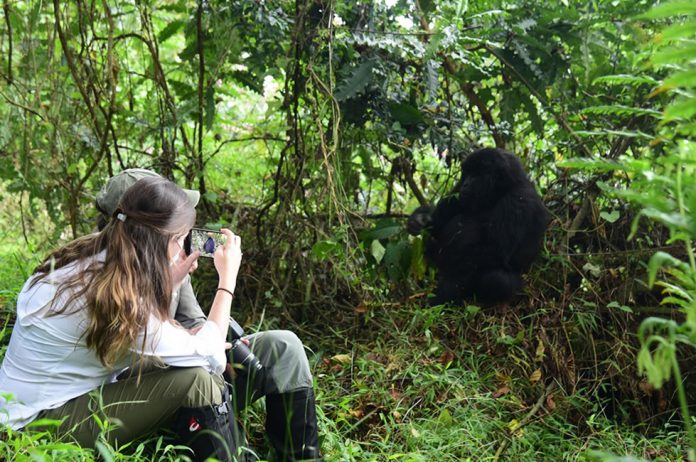
The prospect of seeing the mountain gorillas in the natural habitat on an activity commonly referred to as gorilla trekking and not viewing them in some enclosure at the zoo is exciting enough. The mountain gorillas are so rare in the world that they are found in two conservation areas in the world, Virunga and Bwindi areas. Yes, I did my research and I have a few of the facts at hand right now like the gorillas cannot survive in confinement and because of this reason, you will not see these amazing primates in a zoo or something like that.

I have heard from some of the people who have been on such trips that you can get as close as 10 metres of the primates and who in their right mind would pass up an opportunity like this to interact with our near similar relatives. It is always good to enjoy these kinds of experiences with your friends by your side and because of this I hope to go with some of my friends. Knowing the kinds of people my friends are, I have a strong feeling that they cannot say no to this.

I have also learned that tracking the mountain gorillas in Rwanda is on constant increasing demand and that I must book my gorilla tracking permit well in advance. Rwanda is also a very beautiful country and I have been assured that this will be a life changing experience as I will meet people who enjoy the forest life and in some way they are not obsessed with the luxury that life in the city offers.

I am therefore in the process of booking a safari to Rwanda with the best deal that I got from Go Gorilla Trekking. I have been communicating with several tour companies organising safaris in Rwanda and i chose GGT because of their available discounts and quick communications that are straight to point. I have also been told that Rwanda has one of the lowest crime rates in the world and that I will enjoy my trip safely and without any interruptions.

Also, from my correspondences with Go Gorilla Trekking, i have realized that Rwanda has very good hotels which is surprising for a country which in 1994 was embroiled in a catastrophic genocide. There are several luxurious, mid range and budget hotels. Though i have been traveling frequently on budget, am looking at staying in midrange accommodation. The trip promises an exciting and amazing experience and I am looking forward to enjoying my time in this small east African country and I promise to tell my story to whomever wishes to listen.